
Who Is Liable for Injuries at a Las Vegas Event or Concert?
Organizers, Venues, Security Companies, and Other Guests Can All Share the Blame When a Crowd Turns Dangerous
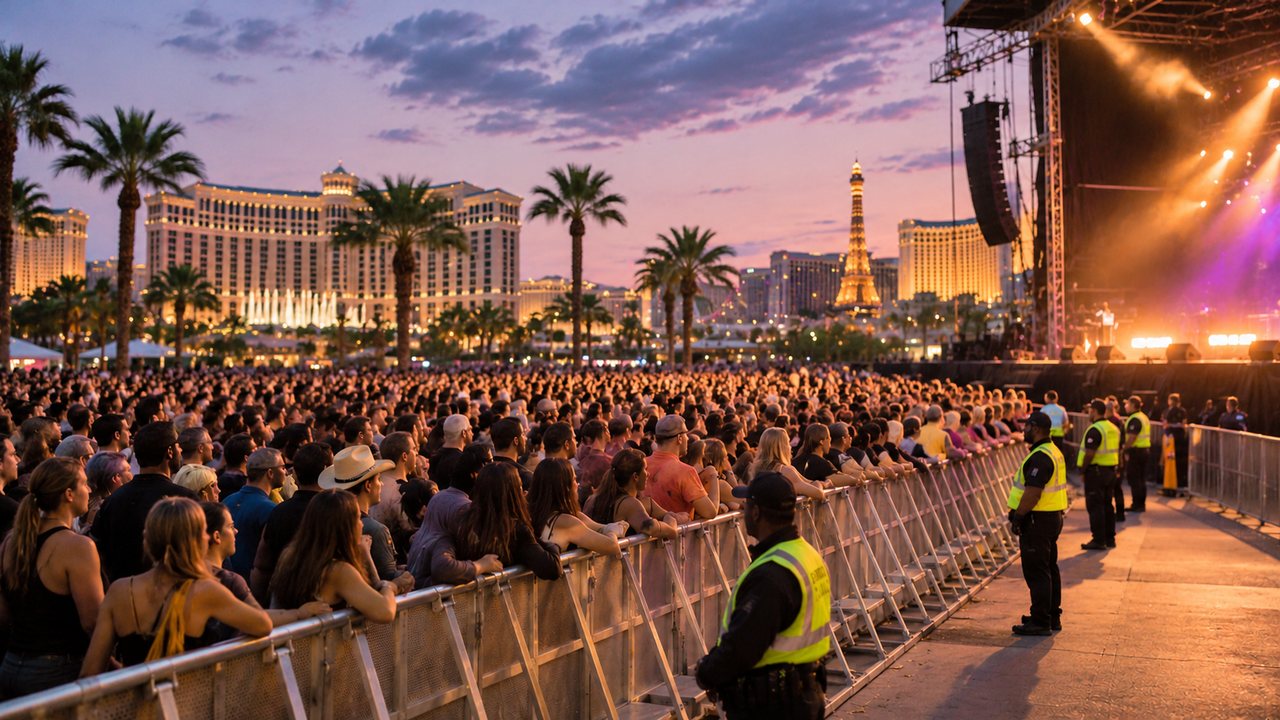
Las Vegas event and concert injuries can happen at arenas, festival grounds, resort ballrooms, and nightclubs. A crowd surge near the stage can knock people to the ground. A collapsed barricade, a broken stair, or a fight that security ignored can leave someone with broken bones, a head injury, or worse. Big events bring big crowds, and big crowds need careful planning.
When that planning falls short, the injured person often faces a confusing question about who should pay. The promoter may blame the venue. The venue may blame the security company it hired. Everyone may try to blame the guest who got hurt or point to fine print on the ticket.
Sorting out responsibility takes a close look at contracts, staffing, video, and incident reports. A Las Vegas premises liability lawyer can identify every company that played a role. Each one can then be held accountable for its share of the harm. That work needs to start before key records and video disappear.
|
Quick Facts About Event Injury Claims
|
Who Can Be Responsible for an Injury at a Las Vegas Event?
Large events rarely run under one company. A promoter books the show, and a venue owner provides the space. Outside contractors may handle security, staging, parking, and medical services. Each one has its own duties to the people who buy tickets. Here's how responsibility can break down after someone is hurt.
| Who May Be Responsible | Common Failures That Lead to Injuries |
|---|---|
| Event organizer or promoter | Overselling tickets, poor crowd planning, too few exits, or not enough medical staff, water, or shade |
| Venue owner or hotel-casino | Broken stairs, wet floors, poor lighting, unsafe seating, or ignoring known security problems |
| Security or crowd control contractor | Understaffing, poor training, ignoring fights, or using excessive force on guests |
| Staging or equipment company | Barricades, rigging, or temporary structures that weren't built or inspected properly |
| Another attendee | Assaulting someone, throwing objects, or recklessly shoving through a crowd |
Event Organizers and Promoters
The company that plans an event decides how many tickets to sell and where the stage goes. It also decides how people move in and out. Those choices shape how safe the crowd will be. A promoter who overpacks a space, blocks exits, or ignores the risk of a rush toward the stage can be responsible when guests get hurt.
Outdoor events in Las Vegas bring added risks. Desert heat can turn dangerous fast, especially for people standing in a packed crowd for hours. Organizers need enough water stations, shade, cooling areas, and medical tents for the crowd and the forecast. Heat exhaustion can strike quickly when those basics run short.
Promoters also make choices about staffing. Hiring too few guards or medical workers to save money can leave nobody in place to stop a problem early. Contracts between the promoter and its vendors often show who was supposed to handle each safety task. Budget decisions on safety staffing often show up in those records, too.
Venue Owners and Hotel-Casino Properties
Arena, theater, nightclub, and resort owners must keep their property reasonably safe for guests. That includes fixing broken stairs and railings, cleaning up spills, keeping walkways lit, and making sure seating is secure. These claims fall under Nevada hotel and casino injury and premises liability law.
Many Las Vegas shows take place inside hotels and resorts, and Nevada has a specific law for that setting. Under NRS 651.015, a hotel can be held responsible when another person attacks a guest on its premises. The attack must have been foreseeable, and the hotel must have failed to take reasonable precautions against it.
An attack can be foreseeable when the property failed to use due care for guests' safety. It can also be foreseeable when the property knew about similar incidents in the past. Prior fights, security reports, and staffing records can all matter. These negligent security claims often depend on what the property knew before the event started.
Crowd Control and Security Contractors
Many promoters and venues hire outside companies to handle security and crowd management. Those contractors are supposed to screen guests, watch for trouble, break up fights, and manage crowd movement. When they fail to do that job, the contractor can share responsibility for the injuries that follow.
Common problems include too few guards, guards with little training, and staff who ignore warning signs. A crowd surge that builds near the stage for several minutes should prompt a response. A visibly drunk and aggressive guest should get attention before someone gets hurt. Security should step in long before a situation turns violent.
Security staff can also cause injuries themselves. A guard who throws a guest to the ground or uses a chokehold may have used excessive force. In that situation, both the guard and the company that hired and trained them may be responsible. The venue or promoter that chose the contractor may share the blame as well.
Other Attendees
Sometimes the person who directly caused an injury is another guest. A concertgoer may start a fight, throw a bottle, or shove people aside to get closer to the stage. That person can be held responsible for the harm they caused. Police reports, witness statements, and video can help identify who it was.
Collecting from an individual guest can be difficult, though. The person may never be identified or may have no way to pay. That's why it's important to look at whether the venue, promoter, or security company could have prevented the attack. A security team that ignored an ongoing fight may share the blame with the person who threw the punch.
Can a Ticket or Waiver Stop You From Suing?
Many event tickets include fine print saying the buyer accepts certain risks or releases the event from liability. Some festivals and VIP experiences ask guests to sign or click through a separate waiver. Event companies count on people believing these terms end any chance of a claim.
Nevada courts can enforce a waiver that's clearly written, but they read these terms narrowly. A vague clause buried in the fine print may not cover the injury that actually happened. Waivers also have limits when it comes to more serious misconduct. Whether a waiver holds up depends on its exact wording and the facts of the injury.
The details of the ticket, the waiver, and the injury all matter. Accepting the ordinary risks of a crowd isn't the same as agreeing to a broken barricade or a guard's attack. A lawyer can review the exact terms before anyone decides the claim is over.
How Nevada's 50% Rule Affects an Event Injury Claim
Insurance companies often blame the injured guest. They may point to drinking, pushing toward the stage, or ignoring instructions. Those arguments are designed to lower the payout. Under Nevada's comparative negligence law, an injured person can still recover as long as they're 50% or less at fault.
Any compensation is reduced by the injured person's share of the blame. Say a jury values a claim at $60,000 and finds the injured person 25% at fault. The recovery would be $45,000. Once an injured person is found more than 50% at fault, they can't recover anything.
That's why insurance companies fight so hard over percentages. Video from the venue and other guests' phones can show what really happened. It may show the crowd was out of control long before the injury. Strong evidence keeps the focus on the companies that failed to keep the event safe.
Steps to Protect a Claim After Getting Hurt at an Event
Evidence from a big event can scatter quickly as the crowd goes home. These steps can help an injured person protect their claim:
- Get Medical Care Right Away – Visit the medical tent or an emergency room so the injuries are treated and documented.
- Report the Injury to Venue Staff – Ask security or management to write an incident report before leaving the property.
- Photograph the Scene – Take pictures of the hazard, the crowd, the barricade, or the area where the injury happened.
- Collect Witness Contact Information – Other guests may have seen what happened or recorded it on their phones.
- Save Tickets and Receipts – Keep the ticket, wristband, and any purchase records, which show the event and any terms that applied.
- Avoid Statements to the Venue's Insurance Company – Let a lawyer handle all contact, since anything said can be used to shift blame.
Nevada generally gives people two years to file a personal injury lawsuit. Venue video can be erased long before then. Many concertgoers are visitors who fly home a day or two after the show, and that doesn't have to end a claim. Our Las Vegas injury lawyers regularly represent out-of-state clients hurt during a trip to the city.
Get an Attorney Who Knows Vegas
An injury at a concert or festival can turn one night out into months of medical bills. Promoters, venues, and security companies all have insurance companies and lawyers working to limit what they pay. Injured guests deserve someone working just as hard for them.
Attorney Al Lasso saw firsthand how an insurance company treated his brother after a crash left him permanently disabled. That experience drove him to fight back. At Lasso Injury Law LLC, clients get the personal attention of a small firm. They also get the resources needed to take on large corporations and their insurance carriers.
With our contingency fee, you pay nothing unless we win your case. Push back against the companies that let you down. Tell us what happened at the event, and we'll explain your options in a free consultation.
"Mr. Lasso and his staff were very professional and took my case when no one else would. I was injured in the elbow, which caused me great pain, and because it was not a car crash, no attorneys would take the case. Lasso Injury Law tracked down the responsible party, and we were able to come to a most favorable settlement. I would recommend Lasso Injury Law because of not only their strong knowledge of the law but also their personal service. You are not a number at Lasso Injury Law; they truly care about you." - S.L., ⭐⭐⭐⭐⭐