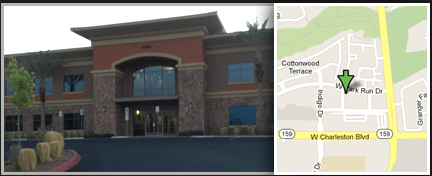
free initial consultation
call: (702) 625-8777
Home visits available. Call for an appointment: (702) 625-8777

Personal Injury Blog

Fewer Las Vegas Senior Drivers at Risk of Accidents

Monday, March 17, 2014

Safety experts have warned of an increase in accident risks with the explosion in the number of senior motorists on our roads. New statistics show that those concerns, while not entirely unwarranted, may be premature. The statistics find that accident rates for senior motorists are actually improving.

Drivers aged 70 and above are actually much less likely to be involved in accidents in 2014, than motorists in previous generations. Even when they are involved in accidents, they are actually much less likely to be injured or killed thanks to improved safety technology. The data was released by the Insurance Institute for Highway Safety, and finds that fewer seniors are being killed or injured in accidents, compared to past decades.

There is no denying that one of the major reasons for that is the fact that many automobiles now come with auto safety technologies that reduce the risk of being injured in an accident. Seatbelts, airbags, forward collision warning systems and other technologies reduce the risk of accidents, and minimize the risk of injuries and fatalities.

Besides, the Insurance Institute researchers also point to the fact that seniors in 2014 are healthier, and physically stronger and fitter than in the past. Health and medical advancements mean that seniors are much more likely to be fitter, and therefore, are much more able to easily recover from their injuries, compared to drivers in the past.

The study was conducted due to increasing concerns over the safety risks involving senior motorists. According to the data, since 1997, senior motorists have seen bigger declines in traffic accident fatality rates, compared to middle-aged drivers aged between 35 and 54. In fact, the greatest declines were seen in motorists above the age of 80.


Use of Corticosteroid Inhalers Can Leave You Sleepy at the Wheel

Monday, March 10, 2014

The use of inhaled corticosteroids by those who suffer from asthma could help keep symptoms of asthma under control, but could also increase the risk of sleep apnea. According to a new study, persons who inhale corticosteroids may find that their tongue becomes sloppier during sleep, raising the risk of sleep apnea. These people may therefore be at a much higher risk of feeling sleepy while driving, leading to a drowsy driving accident.

Sleep apnea is a condition that is often linked to fatigued driving, especially among commercial drivers. There are a number of risk factors that contribute to this disorder in which there are respiratory disruptions while the person is sleeping,contributing to disturbed sleep. For instance, obesity is believed to be one of the factors contributing to sleep apnea. Now, doctors believe that persons who suffer from asthma and use corticosteroid inhalers may be at a higher risk of sleep apnea.

Earlier too, researchers have pointed to a possible association between asthma, and sleeping disturbances like sleep apnea, that are often characterized by snoring. However, researchers were not able to completely comprehend how asthma, which is a lung-related condition is linked to sleep apnea, which is a condition linked to the muscles in the throat and the soft palate. When a person suffers from sleep apnea, these muscles of the throat and the soft palate relax, blocking the person’s airways, and causing them to suffer a breathing interruption during sleep.

The researchers monitored the use of corticosteroids for the control of asthma in 18 subjects. They found that when the persons used corticosteroid inhalers, there were differences in the collapsibility of the upper airways, when the person was sleeping. A person who suffers from such respiratory interruptions during sleep, is much more likely to feel drowsy and doze off while driving the next day.

Don't Ignore Cat Bites; They Can Be Serious

Saturday, March 01, 2014

A nip from Kitty may not seem like such a serious issue. However, according to a new study, cat bites can turn into serious infections, and must not be neglected.

The study was conducted by Mayo Clinic researchers, and focused on 193 patients who had to be treated after suffering a cat bite. The study found that about one out of three patients in the study, had to be hospitalized for their injuries after suffering a cat bite. Approximately 2/3rd of the patients, who had to be admitted into hospital overnight, underwent surgery to treat wounds that ultimately became infected.

Unlike with dog bites, there isn't widespread damage to the skin or tissue with a cat bite. However, when a cat bites, it is much more likely to sink those sharp fangs deep into your hand, injecting disease-causing germs directly into muscle and tissue. During a typical cat bite, the canine teeth puncture the skin easily. Those puncture wounds can quickly close up, trapping potentially dangerous disease-causing bacteria from the animal's mouth under your skin. That means that an infection can set in and spread quickly.

Additionally, cat bites tend to go untreated because people tend to take these lightly, and may not necessarily see a doctor when they are bitten by a cat. However, they wouldn't show the same kind of negligence if they were bitten by a dog.

The bottom line is that if you are bitten by your pet cat, even your pet cat, you must immediately get the injury checked out by your doctor. It is even more important to get it checked out if you notice swelling or redness around the sign of the injury. The injury may be small in size, but should not be neglected.